Homemade Spanish-Style Mackerel: A Slow-Simmered Seafood Masterpiece

Print it, save it, or add it to your recipe binder.
Introduction
There is something incredibly nostalgic and comforting about Spanish-Style Mackerel. Growing up, many of us knew this dish primarily from those small, oval tin cans found in the international aisle. But let me tell you—once you taste it made fresh in your own kitchen, you will never go back to the store-bought version.
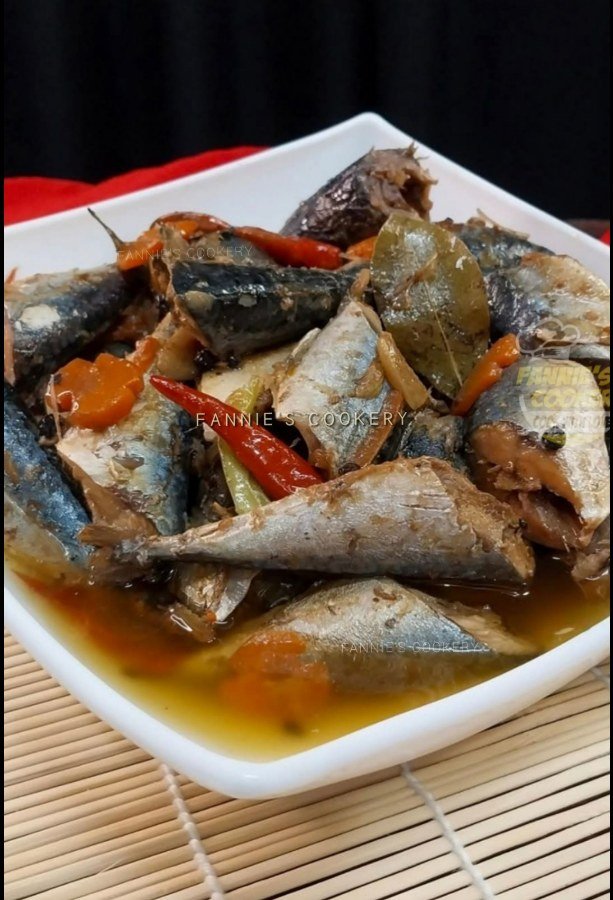
This recipe transforms the humble, oily mackerel into a sophisticated, melt-in-your-mouth delicacy. By slow-simmering the fish in a fragrant bath of olive oil, vinegar, and aromatics, the bones soften, and the flesh absorbs every bit of the garlic, bay leaf, and chili heat. It is a labor of love that fills your kitchen with the most incredible Mediterranean aroma. My name is Jason Griffith, and today I’m showing you how to master this classic seafood dish right on your stovetop.
Why I Love This Recipe
I am a huge advocate for “slow and low” cooking, and this mackerel is the perfect example of why patience pays off.
- Depth of Flavor: The combination of olive oil and vinegar creates a rich, tangy poaching liquid that preserves the fish while flavoring it deeply.
- Heart-Healthy: Mackerel is packed with Omega-3 fatty acids, and using high-quality olive oil adds even more healthy fats to your diet.
- Versatility: You can eat it hot, cold, or at room temperature. It’s just as good over hot rice as it is flaked onto a piece of crusty bread.
- Meal Prep King: This dish actually tastes better the next day after the flavors have had time to “marry” in the fridge.
The Ingredients
To get that authentic Spanish-style finish, we break our ingredients into four distinct sets to ensure everything is layered for maximum flavor extraction.
Set A: The Base
- 1 kilogram mackerel fish (fresh is best!)
- 2 tbsp salt and water (for the brine)
Set B: The Aromatics
- 1 medium carrot (sliced into rounds)
- 1 medium onion (sliced)
- 1 red bell pepper (sliced into strips)
- 1 head of garlic (cloves peeled and slightly smashed)
- 3–4 dried bay leaves
Set C: The Infusion Liquid
- 2 long green chilies
- 8 dried red chilies (adjust based on your heat preference)
- 1 cup olive oil (canola or vegetable oil works, but olive oil is traditional)
- 500ml water
- ⅓ cup vinegar (white vinegar or apple cider vinegar)
- 2 tbsp liquid seasoning (like Maggi or Bragg’s)
- 1 tbsp whole peppercorns
- Salt to taste
Set D: The Finish
- 1–2 cups additional water (to maintain moisture during the long simmer)
Swaps and Notes
- The Fish: If you can’t find mackerel, this method works beautifully with sardines or even milkfish (Bangus).
- The Oil: While I recommend olive oil for that authentic “Spanish” taste, a neutral oil like canola will still yield a delicious result if you prefer a lighter flavor.
- Heat Level: Eight dried chilies provide a medium kick. If you love spice, give them a little squeeze before dropping them in to release the seeds.
- Liquid Seasoning: If you don’t have liquid seasoning, a splash of soy sauce or a dash of Worcestershire sauce can provide that savory umami hit.
Step-by-Step Instructions
1. The Brining Process
Start by cutting the mackerel into serving-sized pieces. Wash them thoroughly under cold water. In a large bowl, create a brine with the salt and water. Soak the fish for 20 minutes. This step is crucial—it seasons the fish to the bone and helps firm up the flesh so it doesn’t fall apart during the long simmer. After 20 minutes, drain and pat the fish dry.
2. Layering the Flavors
Grab a heavy-bottomed saucepan or a Dutch oven. Place half of the aromatics from Set B (carrots, onions, peppers, garlic, and bay leaves) at the bottom. This creates a “rack” for the fish to sit on, preventing it from sticking to the pan.
Place the fish pieces over the vegetables in a single layer if possible, then top with the remaining half of Set B.
3. The Long Simmer
Add all the ingredients from Set C—the oils, vinegar, chilies, peppercorns, and water. Cover the pan and bring it to a gentle simmer. Once it’s bubbling, turn the heat down to medium-low. Let it simmer for 1 hour. Do not stir! You want the fish to remain intact.
4. The Final Braise
After the first hour, add the additional 1–2 cups of water from Set D. Continue cooking for another 45 minutes. This extended time ensures the carrots are buttery soft and the fish is perfectly tender.
Tips for Success
- Don’t Rush: The long cooking time is what allows the vinegar to soften the small bones of the mackerel.
- Use a Wide Pan: Using a wider saucepan rather than a deep pot allows you to layer the fish without stacking it too high, which helps keep the pieces whole.
- Let it Rest: If you can wait, let the dish cool and sit in the fridge for 24 hours. The flavors intensify significantly.
Serving Suggestions and Pairings
This mackerel is incredibly versatile. For a traditional feel, serve it over a bed of steamed white rice or alongside some crusty sourdough bread to soak up that flavored oil.
If you are looking to make this part of a larger spread, it pairs excellently with other bold flavors. I love serving it as a protein-heavy side to a Mexican Chicken and Rice Casserole or even alongside some Sheet Pan Quesadillas for a fusion-style feast.
To wash it all down, you’ll want something bright and acidic to cut through the richness of the oil. A Classic Margarita is a fantastic adult pairing, or for a family-friendly option, try this refreshing Blueberry Lemonade.
Nutritional Information (Per Serving)
- Calories: 320 kcal
- Protein: 22g
- Fats: 24g (primarily healthy unsaturated fats from mackerel and olive oil)
- Carbs: 5g
- Sodium: 650mg
Storage and Leftover Tips
Spanish-style mackerel is essentially a “confit,” meaning the oil acts as a natural preservative.
- Fridge: Store in an airtight container for up to 5–7 days. Ensure the fish is submerged in the oil to keep it moist.
- Freezer: I don’t recommend freezing this dish, as the texture of the mackerel and the oil can change significantly upon thawing.
- Leftover Idea: Flake the leftover mackerel into a pan with some sautéed okra and tomatoes, inspired by this Tomato Skillet with Okra, for a quick and healthy lunch.
Final Thoughts
Making your own Spanish-Style Mackerel is a rewarding experience that elevates a simple fish into a gourmet pantry staple. It’s healthy, flavorful, and impressively easy once you get the simmer going.
I’d love to hear how yours turned out! Did you add extra chilies? Did you serve it with rice or bread? Let me know in the comments below, and don’t forget to follow Chef Maniac for more elevated comfort food recipes.

Homemade Spanish-Style Mackerel: A Slow-Simmered Seafood Masterpiece
There is something incredibly nostalgic and comforting about
Prep: min | Cook: min | Total: min
Servings:
Ingredients
- 1 kilogram mackerel fish (fresh is best!)
- 2 tbsp salt and water (for the brine)
- 1 medium carrot (sliced into rounds)
- 1 medium onion (sliced)
- 1 red bell pepper (sliced into strips)
- 1 head of garlic (cloves peeled and slightly smashed)
- 3–4 dried bay leaves
- 2 long green chilies
- 8 dried red chilies (adjust based on your heat preference)
- 1 cup olive oil (canola or vegetable oil works, but olive oil is traditional)
- 500ml water
- ⅓ cup vinegar (white vinegar or apple cider vinegar)
- 2 tbsp liquid seasoning (like Maggi or Bragg’s)
- 1 tbsp whole peppercorns
- Salt to taste
- 1–2 cups additional water (to maintain moisture during the long simmer)
Instructions
Nutrition
- Calories: 320 kcal
- Fat:
- Carbs:
- Protein: 22g
Rate This Recipe
Average Rating: 0 (0 votes)