

Easy Cast Iron Wagyu Steak Recipe (How to Cook Wagyu at Home)

Print it, save it, or add it to your recipe binder.
By Jason Griffith Lead Writer, ChefManiac.com
Introduction
Wagyu beef is often referred to as the “Rolls-Royce” of steaks, and for good reason. The intense marbling—those beautiful white flecks of intramuscular fat—melts at a much lower temperature than standard beef, creating a buttery, melt-in-your-mouth texture that is truly unparalleled. Because this meat is so prized (and, let’s be honest, an investment), the biggest mistake you can make is overcomplicating the process.
When it comes to Wagyu Beef, less is always more. You don’t need heavy marinades, complex sauces, or a dozen herbs. The goal is to highlight the natural, nutty richness of the fat. By using a hot cast iron skillet and a simple salt-and-pepper seasoning, you can achieve a restaurant-quality sear in your own kitchen in under ten minutes.
Why I Love This Recipe
This is the only way I cook high-end beef, and here is why:
- Purity of Flavor: By using only salt and pepper, you allow the specific terroir and quality of the Wagyu to shine through.
- No Extra Fats Needed: Wagyu is so rich that it actually provides its own cooking oil. Using the fat cap to grease the pan is a classic chef technique.
- Speed: Because of the high fat content, Wagyu cooks faster than traditional steak, making this a lightning-fast gourmet meal.
- The Crust: A cast iron pan provides an even, edge-to-edge crust that seals in all those precious juices.
If you are treating yourself to a luxury dinner like this, you might want to start the evening with something equally elegant like This Baked Brie Appetizer is My Favorite Effortless Way to Impress Guests.
Ingredients You’ll Need
When the meat is this good, the ingredient list is intentionally short:
- The Star: 16 oz Wagyu steak (Ribeye or New York Strip are popular choices).
- The Seasoning: 2 teaspoons salt (Kosher or flaky sea salt is best) and 1 teaspoon freshly cracked black pepper.
Swaps and Notes
- The Pan: If you don’t have cast iron, a heavy-bottomed stainless steel skillet is your next best bet. Avoid non-stick pans, as they cannot handle the high heat required for a proper sear.
- The Salt: Flaky sea salt (like Maldon) is a game-changer for Wagyu. It adds a lovely crunch that contrasts with the buttery meat.
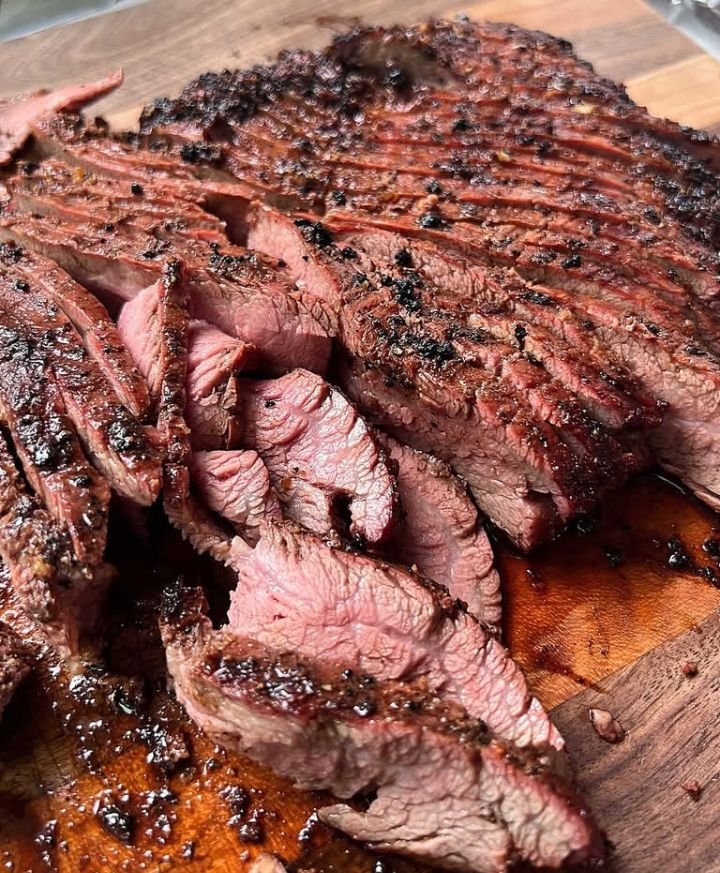
- Internal Temperature: Wagyu is best enjoyed Rare to Medium-Rare. Because the fat is so delicate, cooking it to “well done” will cause all the expensive marbling to render out, leaving you with a much tougher, less flavorful steak.
- The Rest: Do not skip the resting phase! This allows the fibers to relax and reabsorb the melted fat.
Step-by-Step Instructions
1. Temper the Meat
Remove your Wagyu steak from the refrigerator 30 to 60 minutes before you plan to cook. This “tempering” process ensures the middle of the steak isn’t ice-cold when the outside hits the pan, allowing for an even cook throughout.
2. Season Simply
Pat the steak bone-dry with a paper towel. Generously apply the salt to both sides and the edges. Add the black pepper. The salt will help draw out a tiny bit of moisture to create that perfect crust.
3. Heat the Pan
Place your cast iron skillet over medium heat. You don’t want it screaming hot (like you might for a lean Filet Mignon), as the Wagyu fat can burn quickly. Let the pan heat up for about 3–5 minutes.
4. Grease with the Fat Cap
Identify the white fat cap on the edge of your steak. Using tongs, hold the steak upright and rub that fat cap against the bottom and sides of the pan. It will melt almost instantly, creating a natural, non-stick coating.
5. The First Sear
Lay the steak flat in the pan. Cook for about 90 seconds without moving it. You want to see a deep, golden-brown crust form.
6. Flip and Finish
Flip the steak. Continue cooking until you reach your desired internal temperature.
- Rare: 120°F – 125°F
- Medium Rare: 130°F – 135°F
7. The Final Rest
Transfer the steak to a warm plate or a wooden cutting board. Let it rest for 5 to 10 minutes. Slice it into thin strips against the grain to highlight the tenderness.
Tips for Success
- Dryness is Key: Moisture is the enemy of a good sear. If your steak is damp, it will steam rather than crust.
- Watch the Smoke: If the fat in the pan starts smoking excessively, turn the heat down slightly. Wagyu fat has a lower smoke point than butter or olive oil.
- Small Portions: Because Wagyu is incredibly rich, a 16 oz steak is often enough to feed two (or even three) people when served with sides.
Serving Suggestions and Pairings
Wagyu is so rich that it pairs beautifully with acidic or bright side dishes. A simple arugula salad with a lemon vinaigrette or roasted asparagus works perfectly.
If you are looking for a hearty side to go along with this, try This Mexican Chicken and Rice Casserole is My Favorite One-Pan Dinner That’s Always a Hit (minus the chicken!) for a flavorful rice accompaniment. For dessert, stay in the “decadent” lane with These Pecan Pie Bars are My Favorite Make-Ahead Holiday Dessert.
Nutritional Information (Per 4 oz Serving)
Estimate based on 4 servings:
- Calories: 320 kcal
- Protein: 24g
- Carbohydrates: 0g
- Fat: 25g
- Sodium: 580mg
Storage and Leftover Tips
- Fridge: If you somehow have leftovers, store them in an airtight container for up to 2 days.
- Reheating: Be very careful! To avoid overcooking, I recommend eating leftovers cold (sliced thin over a salad) or very gently warming them in a low-heat skillet for 60 seconds.
- The “Wagyu Butter” Hack: Save any rendered fat left in the pan! It can be stored in the fridge and used to roast potatoes or fry eggs later in the week—it is liquid gold.
More Recipes You Will Love
If you enjoyed this high-end steak experience, check out these other ChefManiac favorites:
- A Light Tangy Chicken Salad I Actually Crave and There’s No Mayo in Sight
- This Crockpot Nacho Dip is the Reason I Never Have Leftovers
Final Thoughts
Cooking Wagyu at home can be intimidating, but if you trust the quality of the meat and keep your technique simple, you will be rewarded with the best steak of your life. It is a celebration of quality over quantity.
Have you ever tried Wagyu with a specific finishing salt or pairing? I’d love to hear your thoughts in the comments! For more gourmet tips and foolproof recipes, follow ChefManiac on social media. Happy searing!

Easy Cast Iron Wagyu Steak Recipe (How to Cook Wagyu at Home)
This is the only way I cook high-end beef, and here is why:
Prep: min | Cook: min | Total: min
Servings: Calories:
Ingredients
- The Star: 16 oz Wagyu steak (Ribeye or New York Strip are popular choices).
- The Seasoning: 2 teaspoons salt (Kosher or flaky sea salt is best) and 1 teaspoon freshly cracked black pepper.
Instructions
Nutrition
- Calories: 320 kcal
- Fat: 25g
- Carbs: 0g
- Protein: 24g
Rate This Recipe
Average Rating: 0 (0 votes)