The Ultimate Homemade Milk Tart: A Creamy, Classic Comfort Dessert

Print it, save it, or add it to your recipe binder.
The Ultimate Homemade Milk Tart: A Creamy, Classic Comfort Dessert
By Jason Griffith
There is something profoundly soul-soothing about a Milk Tart. If you haven’t had the pleasure of diving into this silky, custard-filled wonder, you are in for a treat. Known traditionally as Melktert, this dessert is a staple of South African hospitality. It sits somewhere between a classic custard pie and a crème brûlée, but with a lighter, more delicate texture and a signature dusting of cinnamon that makes your kitchen smell like a dream.
As a professional food writer for ChefManiac, I’ve tested hundreds of desserts, but I always find myself coming back to the classics. This recipe balances a crisp, thin shortcrust pastry with a rich, velvety filling that isn’t overly sweet. It’s the kind of dessert that pairs perfectly with a cup of tea or coffee on a lazy Sunday afternoon.
Why I Love This Recipe
What makes this Milk Tart stand out is the contrast in textures. The pastry is pressed thin and baked until it has a satisfying snap, providing the perfect vessel for the luscious, stovetop-cooked custard.
Unlike some custard pies that can feel heavy or rubbery, this version uses a combination of eggs and cornflour (cornstarch) to achieve a “wobbly” yet stable consistency. It’s also incredibly versatile; while it feels elegant enough for a dinner party, it’s simple enough to whip up when you just need a little bit of home-baked comfort.
If you love simple, reliable bakes like my 3-Ingredient Chocolate Chip Oatmeal Breakfast Cookies, you will appreciate how straightforward this process is.
Ingredients You’ll Need
For the Pastry
- 125g Butter: Softened to room temperature.
- 2 tablespoons Sugar: Just enough to sweeten the crust.
- 1 tablespoon Oil: This helps with the crispness and pliability of the dough.
- 1 Egg: To bind the pastry together.
- 2 cups Flour: All-purpose flour works best here.
- 1 teaspoon Baking Powder: Gives the crust a slight lift.
- Pinch of Salt: To balance the flavors.
For the Filling
- 4 cups Milk: Full-fat milk is highly recommended for the creamiest result.
- 125g Butter: Adds richness to the custard.
- 2 Eggs: For structure and color.
- 1/2 cup Sugar: Adjusted to be perfectly sweet but not cloying.
- 1/2 cup Corn Flour (Cornstarch): The essential thickening agent.
- 1 teaspoon Vanilla Essence: For that classic aromatic finish.
- Ground Cinnamon: For dusting over the top.
Swaps and Notes
- The Flour: If you are looking for a gluten-free option, a 1-to-1 gluten-free baking flour can be used for the crust, though the texture may be slightly more crumbly.
- The Sugar: You can use caster sugar for a finer texture in the custard, though regular granulated sugar works perfectly fine.
- The Fat: Do not swap the butter for margarine if you can help it. The butter provides the essential “melt-in-your-mouth” quality for the crust.
- Flavor Boost: For a more modern twist, you could infuse the milk with a cinnamon stick or a piece of orange peel while boiling, then remove it before adding the egg mixture.
Step-by-Step Instructions
1. Prepare the Pastry
Start by creaming together your 125g of butter and 2 tablespoons of sugar until the mixture is light and fluffy. Stir in the tablespoon of oil and mix well. Add the egg and beat until fully incorporated.
Sift in your dry ingredients: the 2 cups of flour, baking powder, and salt. Mix until a soft dough forms. Don’t overwork it—you want to keep that pastry tender!
2. Form and Bake the Base
Preheat your oven to 180°C. Take your pie dish (a standard 9 or 10-inch dish works well) and spread the pastry dough into it. Pro Tip: The pastry must be spread very thin to ensure it bakes through and stays crisp.
Use a fork to poke several holes across the bottom of the pastry (this prevents it from puffing up). Bake for 10 to 15 minutes, or until the edges are a beautiful golden brown. Set aside to cool.
3. Start the Custard Filling
In a large saucepan, combine the 4 cups of milk and 125g of butter. Bring this to a gentle boil over medium heat, stirring occasionally to ensure the butter is completely melted and the milk doesn’t scorch.
4. Temper the Eggs
While the milk is heating, whisk the 2 eggs in a separate bowl. Add the 1/2 cup of sugar and mix well, then whisk in the 1/2 cup of cornflour. Ensure there are no lumps in this mixture.
5. Thicken and Finish
Once the milk and butter have reached a boil, slowly pour the egg mixture into the saucepan. You must stir continuouslyduring this step to prevent the eggs from scrambling. Keep stirring as the mixture thickens into a heavy, smooth custard. Once thickened, remove from heat and stir in the vanilla essence.
6. Set the Tart
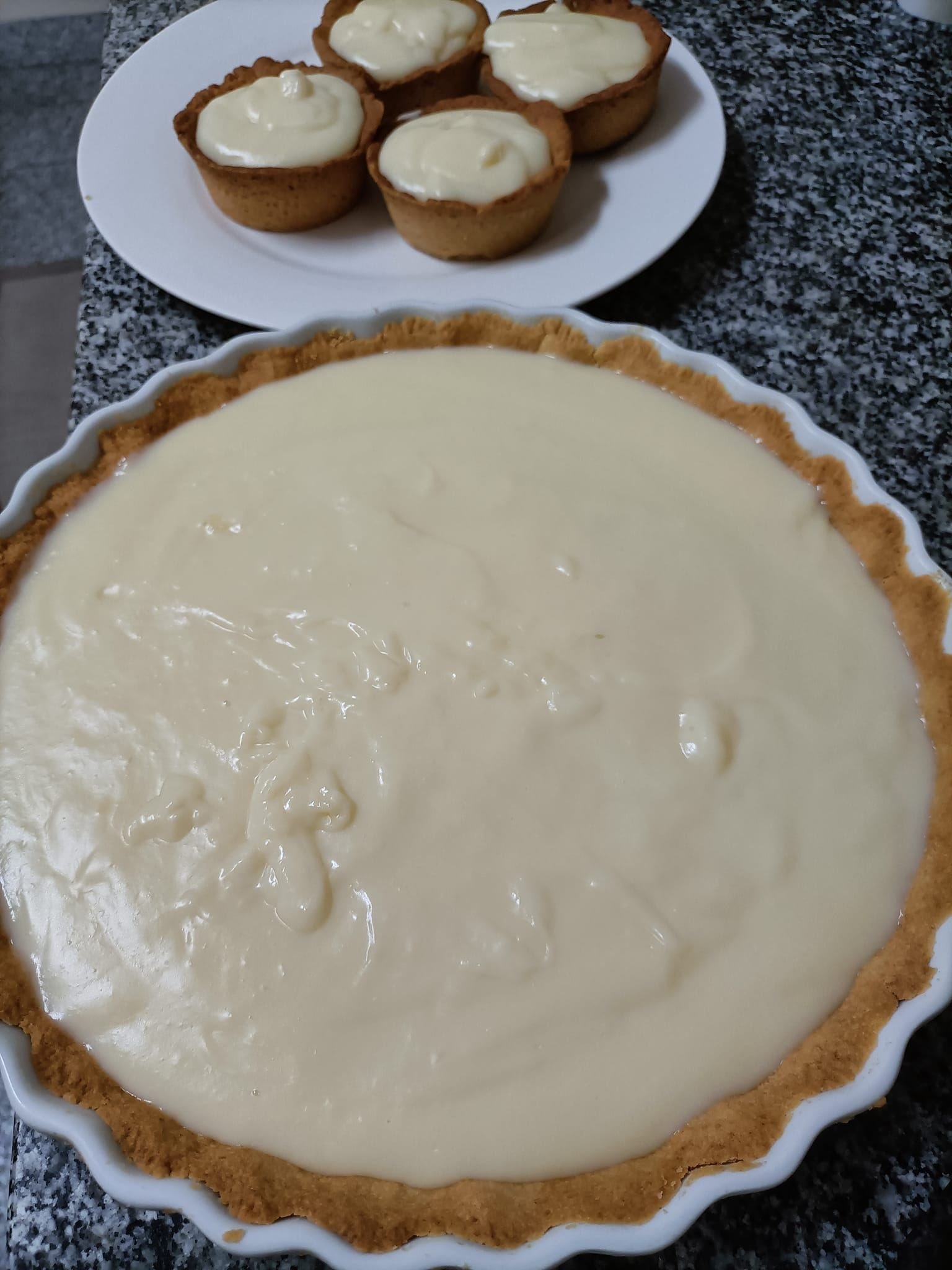
Pour the warm custard into your pre-baked pastry shell. Smooth the top with a spatula and immediately dust generously with ground cinnamon. Allow the tart to cool at room temperature before transferring it to the fridge to set completely.
Tips for Success
- No Lumps Allowed: If you find your custard is getting lumpy, use a whisk instead of a spoon and beat it vigorously.
- Thin is In: When pressing the dough into the pan, use the back of a spoon or your fingers to get it as thin as possible. A thick crust can become “doughy” once the custard is added.
- The Cooling Period: Be patient! A Milk Tart needs time to set. If you cut it while it’s still warm, the custard might run.
Serving Suggestions and Pairings
Milk Tart is traditionally served chilled or at room temperature. It is a fantastic end to a heavy meal or a great centerpiece for a brunch spread.
If you are looking for other treats to fill out a dessert table, I highly recommend pairing this with my Best Peanut Butter Brownies for a chocolatey contrast, or these Spring Flower Pretzel Bites for something salty and sweet. If you’re hosting a morning event, it goes beautifully alongside a loaf of Chocolate Chip Banana Bread.
Nutritional Information (Per Serving)
- Calories: 310 kcal
- Carbohydrates: 38g
- Protein: 6g
- Fat: 15g
- Sugar: 18g
Storage and Leftover Tips
- Refrigeration: Because of the high dairy and egg content, Milk Tart must be stored in the refrigerator. Cover it loosely with plastic wrap or store in an airtight container. It will stay fresh for 3–4 days.
- Freezing: I do not recommend freezing Milk Tart, as the custard can become watery and the pastry may lose its crispness upon thawing.
- Leftovers: If you have leftover pastry dough, you can bake them as small biscuits or use them as a base for other quick snacks like this 3-Ingredient Egg Wrap style of creative baking.
Final Thoughts
This Milk Tart is a labor of love that yields high rewards. It’s a timeless recipe that brings people together, one cinnamon-dusted slice at a time. I hope this becomes a favorite in your household just as it has in mine!
Did you try this recipe? I’d love to hear how it turned out! Leave a comment below, and don’t forget to follow ChefManiac on social media for more kitchen inspiration.

The Ultimate Homemade Milk Tart: A Creamy, Classic Comfort Dessert
What makes this Milk Tart stand out is the
Prep: min | Cook: min | Total: min
Servings:
Ingredients
- For the Pastry:
- 125g Butter: Softened to room temperature.
- 2 tablespoons Sugar: Just enough to sweeten the crust.
- 1 tablespoon Oil: This helps with the crispness and pliability of the dough.
- 1 Egg: To bind the pastry together.
- 2 cups Flour: All-purpose flour works best here.
- 1 teaspoon Baking Powder: Gives the crust a slight lift.
- Pinch of Salt: To balance the flavors.
- For the Filling:
- 4 cups Milk: Full-fat milk is highly recommended for the creamiest result.
- 125g Butter: Adds richness to the custard.
- 2 Eggs: For structure and color.
- 1/2 cup Sugar: Adjusted to be perfectly sweet but not cloying.
- 1/2 cup Corn Flour (Cornstarch): The essential thickening agent.
- 1 teaspoon Vanilla Essence: For that classic aromatic finish.
- Ground Cinnamon: For dusting over the top.
Instructions
- Prepare the Pastry: Start by creaming together your 125g of butter and 2 tablespoons of sugar until the mixture is light and fluffy. Stir in the tablespoon of oil and mix well. Add the egg and beat until fully incorporated.
- Sift in your dry ingredients: the 2 cups of flour, baking powder, and salt. Mix until a soft dough forms. Don't overwork it—you want to keep that pastry tender!
- Form and Bake the Base: Preheat your oven to 180°C. Take your pie dish (a standard 9 or 10-inch dish works well) and spread the pastry dough into it. Pro Tip: The pastry must be spread very thin to ensure it bakes through and stays crisp.
- Use a fork to poke several holes across the bottom of the pastry (this prevents it from puffing up). Bake for 10 to 15 minutes, or until the edges are a beautiful golden brown. Set aside to cool.
- Start the Custard Filling: In a large saucepan, combine the 4 cups of milk and 125g of butter. Bring this to a gentle boil over medium heat, stirring occasionally to ensure the butter is completely melted and the milk doesn't scorch.
- Temper the Eggs: While the milk is heating, whisk the 2 eggs in a separate bowl. Add the 1/2 cup of sugar and mix well, then whisk in the 1/2 cup of cornflour. Ensure there are no lumps in this mixture.
- Thicken and Finish: Once the milk and butter have reached a boil, slowly pour the egg mixture into the saucepan. You must stir continuouslyduring this step to prevent the eggs from scrambling. Keep stirring as the mixture thickens into a heavy, smooth custard. Once thickened, remove from heat and stir in the vanilla essence.
- Set the Tart: Pour the warm custard into your pre-baked pastry shell. Smooth the top with a spatula and immediately dust generously with ground cinnamon. Allow the tart to cool at room temperature before transferring it to the fridge to set completely.
Nutrition
- Calories: 310 kcal
- Fat: 15g
- Carbs: 38g
- Protein: 6g
Rate This Recipe
Average Rating: 0 (0 votes)