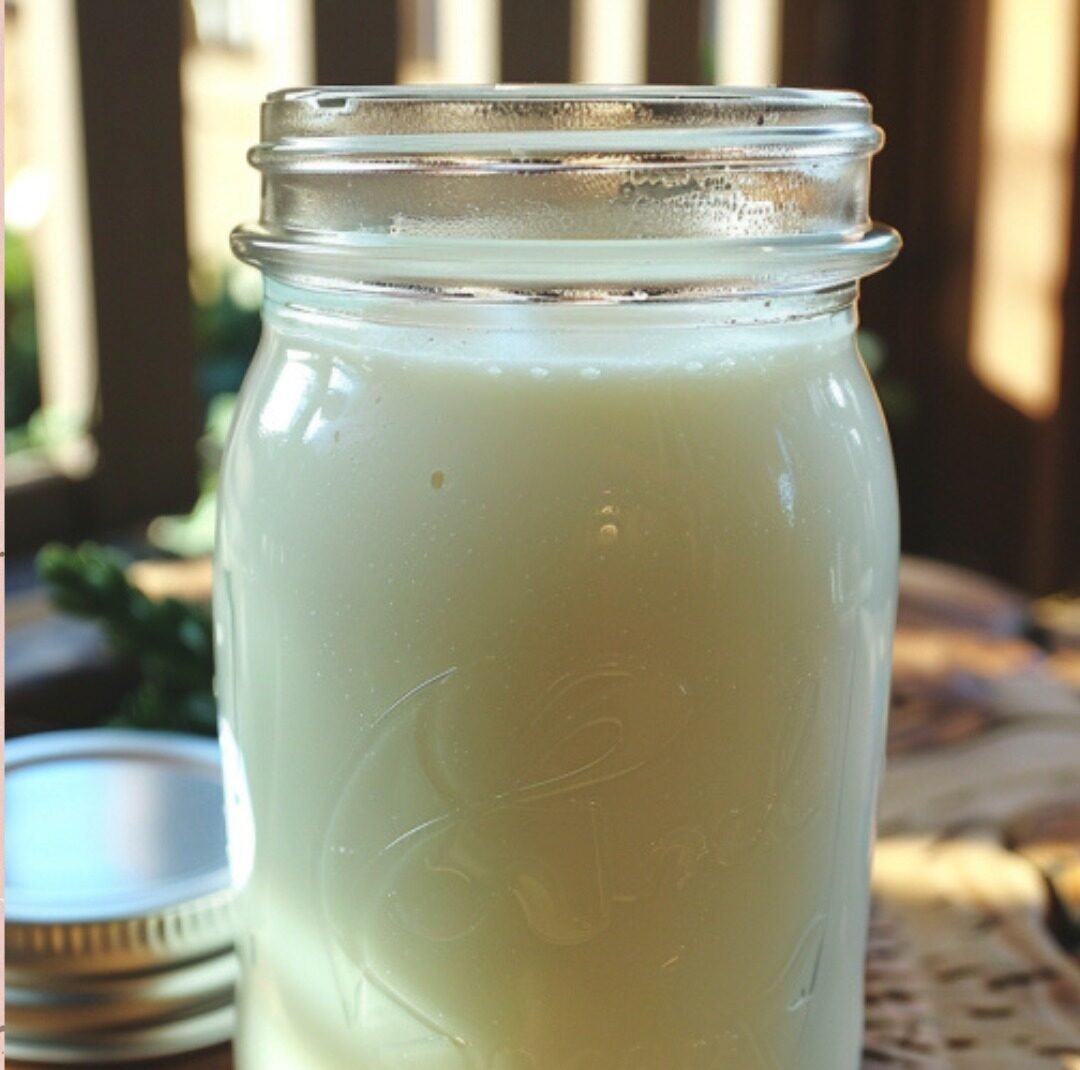

Whey: The Ultimate Kitchen Powerhouse You’ve Been Overlooking!
Hey there, Jason Griffith here! In the world of home cooking and sustainable living, discovering multi-purpose ingredients is a true game-changer. And if you’ve ever made cheese or strained yogurt, you’re likely familiar with whey – that cloudy liquid byproduct often discarded. But what if I told you that this humble liquid is a super versatile and nutrient-packed powerhouse, perfect for cooking, baking, boosting your health, and even beneficial for your pets, plants, and skin care? Get ready to unlock the full potential of whey and embrace a truly zero-waste kitchen!
Why I Love Whey: A Kitchen All-Rounder!
I’m incredibly passionate about making the most of every ingredient and minimizing waste in the kitchen. Whey, often seen as mere liquid, is a prime example of an overlooked treasure. What I particularly love about it is its incredible versatility and the nutritional punch it delivers (rich in protein, vitamins, and minerals). It’s a natural emulsifier, a tenderizer, a leavening agent, and a probiotic booster – all in one. From subtly enhancing flavors in baked goods to providing gut health benefits, whey truly lives up to its title as a kitchen powerhouse. It’s an economical and ecological choice that offers a natural boost to so many aspects of your home life.
Everyday Uses for Whey
Don’t let a single drop of whey go to waste! Here are some fantastic ways to incorporate it into your daily cooking and baking:
- Drink It Up: Enjoy it plain for a refreshing, protein-rich drink, or mix it into your smoothie powders and fruits as a nutritious base instead of water.
- Baking Brilliance: Replace water (or even milk in some cases) with whey in your bread recipes. You’ll notice a remarkable difference: a better rise and a softer, more tender crumb. This is especially great for recipes like my Old Fashioned Zucchini Bread where moisture is key.
- Buttermilk Substitute: Whey can be used in recipes calling for buttermilk, especially if it’s slightly acidified.This is a great hack for tender baked goods.
- Enhanced Grains: Cook rice (or other grains like quinoa) in whey for extra flavor and a boost of nutrients.
- Richer Stocks & Soups: Add whey to your soup stocks (like the base for my This Cajun Chicken Sausage Gumbo Is My Favorite Bowl of Southern Comfort) for added richness and depth of flavor.
- Meat Tenderizer & Flavor Booster: Marinate meat with salted whey for an excellent tenderizing effect and a subtle flavor infusion.
- Bean & Grain Soaking: Use unsalted whey to soak beans and grains for 24 hours. This traditional method helps to reduce phytic acid and significantly improve digestibility.
Uses for Cultured Whey
Cultured whey, often a byproduct of making homemade yogurt or cheese, is packed with beneficial probiotics and enzymes. It’s a goldmine for fermented foods:
- Fermentation Starter: Use it as a powerful starter culture for a variety of lacto-fermented veggies (like sauerkraut or pickles), fermented eggs, or other cultured dairy products. This includes making Fermented Lemons.
- Kickstart Cultured Dairy: Add a tablespoon per quart of milk to kickstart clabber (naturally curdled milk) or chevre cheese.
- Homemade Buttermilk & Cheese: Use cultured whey to turn store-bought pasteurized milk into delicious homemade buttermilk or even fresh cheese.
- Brine for Preserving: Create salt brines for preserving cheeses like feta or mozzarella – no need for calcium chloride!
- Cultured Butter: Use it to clabber whipping cream and churn cultured butter with superior flavor and extended shelf life.
- Mesophilic Cheese Starter: It can serve as a starter for mesophilic cheeses (hard cheeses usually need added rennet).
- Health Tonic: Take a small amount daily as a tonic, especially after antibiotics or chemotherapy, to support gut flora and restore digestive balance.
- Naturally Fizzy Drinks: Make naturally fizzy lemonade (like a zesty counterpoint to my This Blueberry Lemonade Is My Favorite Refreshing Drink for Sunny Days) or hibiscus soda using cultured or strained whey for a probiotic-rich beverage.
- Whey Caramels & Cheeses: Get adventurous and try making whey caramel or traditional Scandinavian whey cheeses like Gjetost or Mysost.
- Mayonnaise Shelf Life: Add whey to homemade mayonnaise to extend its shelf life naturally.
Benefits for Animals
Our furry and feathered friends can benefit from whey too!
- Gut Health & Milk Production: Dogs, cats, pigs, chickens, and dairy animals thrive with unsalted cultured whey added to their diet for improved gut health and even boosted milk production in dairy animals.
- Caution with Salted Whey: Use salted whey cautiously with animals; unsalted is generally safer for their digestive health.
- Digestive Recovery: Keep cultured whey handy to help sick pets or farm animals recover digestive balance after illness or treatment.
Whey for Plants
Give your garden a boost with this natural fertilizer!
- Occasional Fertilizer: Diluted whey (at least 1:10 with water) makes a great occasional fertilizer for acid-loving plants like blueberries and tomatoes. The nutrients help them thrive.
- Avoid Salted Whey for Plants: It’s vital to avoid salted whey for plants as too much salt can harm them. A tiny bit of natural sea salt might be okay, but less is always more when it comes to sodium for plants.
Skin & Hair Care
Surprisingly, whey also has benefits for your personal care routine!
- Soothe Skin: Unsalted cultured whey can be wonderfully soothing for skin conditions like eczema, acne, psoriasis, cracked skin, and even sunburn.
- Skin Toner & Anti-Aging: Use it as a natural skin toner, an anti-aging treatment, or simply to nourish sensitive skin.
- Hair Rinse: Rinse hair with whey after washing for natural conditioning, leaving it soft and shiny.
Storage Tips
Making sure you can keep your whey fresh is key to consistent use:
- Freeze for Portions: Freeze whey in ice cube trays for convenient starter culture portions or for adding to individual recipes.
- Refrigerate Cultured Whey: Keep cultured whey refrigerated, and it can last for months.
- Acidified Milk Whey: Whey from acidified milk (like ricotta) typically lasts about 7-10 days in the refrigerator.
- Maintain Supply: Regularly make clabber or homemade cheese to maintain a steady supply of whey and fresh cultured dairy.
Final Thoughts
Whey is truly a kitchen powerhouse — from boosting your recipes and health to caring for your plants, pets, and skin, it’s a natural all-rounder worth keeping around! It’s a simple step towards a more resourceful, healthy, and zero-waste lifestyle. Embrace the magic of whey and transform your kitchen (and beyond)!
What’s your favorite unexpected way to use a kitchen byproduct? Share your ideas and feedback in the comments below, and don’t forget to follow Chef Maniac for more delightful and inspiring recipes and tips!