
Introduction
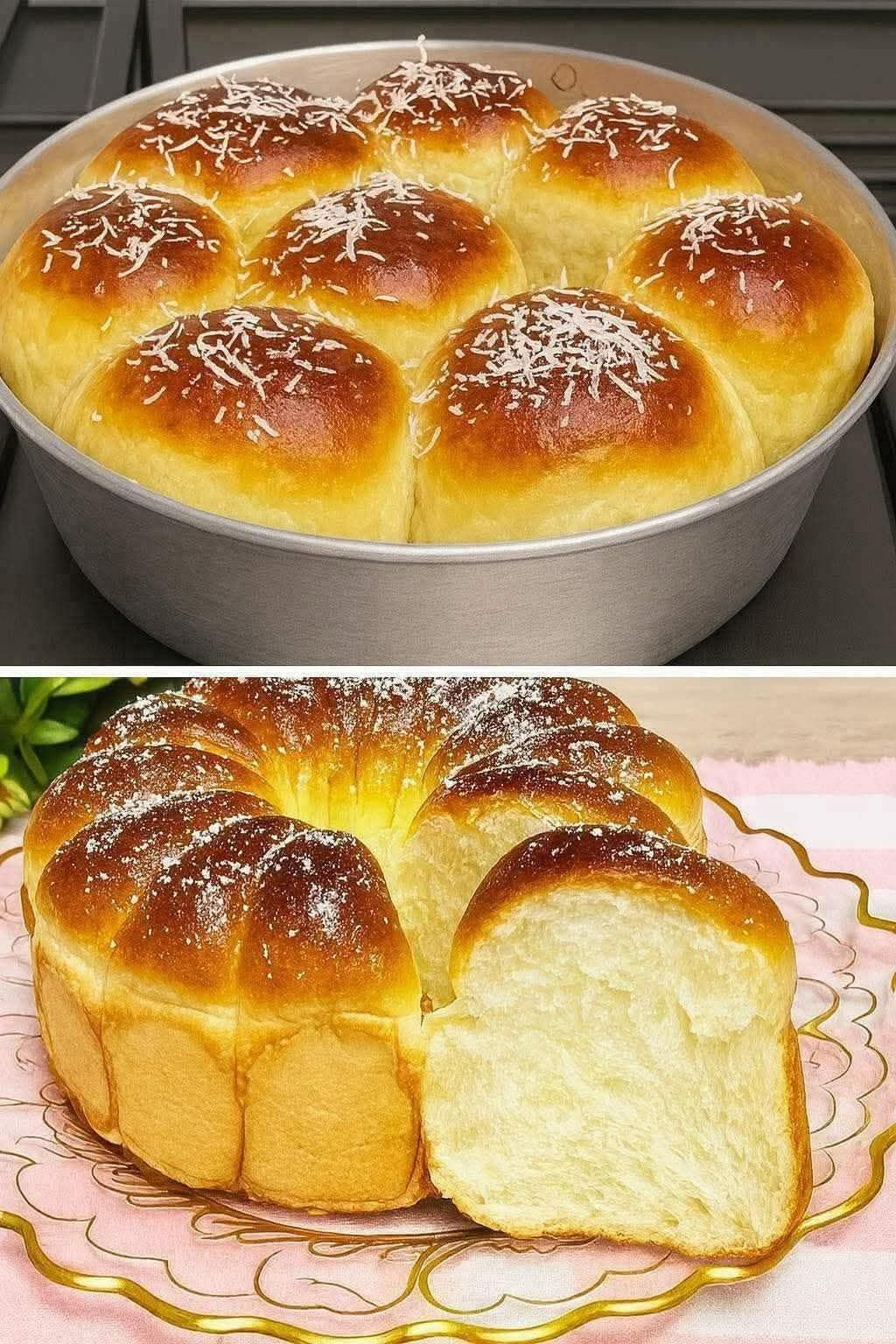
If there is one scent that defines a cozy morning in a French bakery, it’s the aroma of Pain au Lait Moelleux drifting through the air. These “milk breads” are the softer, sweeter cousins of the classic baguette, offering a pillowy texture that practically melts in your mouth. Whether you are enjoying them warm from the oven with a smear of butter or using them as a base for a decadent breakfast sandwich, this recipe is a staple every home baker should have in their repertoire.
I’m Jason Griffith, and today I’m taking you through the simple, rewarding process of making this ultra-soft bread. While many are intimidated by yeast breads, Pain au Lait is incredibly forgiving. It’s all about the enrichment—the milk, butter, and eggs—which creates a golden crust and a cloud-like interior.
Why I Love This Recipe
There’s something deeply therapeutic about kneading dough, but the real payoff is the texture. Unlike crusty sourdough, Pain au Lait is focused entirely on the moelleux (softness).
- Versatility: It works for breakfast, snacks, or even as a slightly sweet dinner roll.
- Kid-Friendly: My kids prefer this over any store-bought loaf. It’s better than these cake mix cookies when you want something substantial but still treats-adjacent.
- Make-Ahead Magic: The dough is sturdy enough to handle a slow rise in the fridge if you want fresh bread first thing in the morning.
Ingredients
To get that signature French finish, quality matters. Here is what you’ll need:
- 500g Flour: Use bread flour for a better chew, or all-purpose for a softer bite.
- 10g Dried Yeast: Ensure it is fresh so your bread rises beautifully.
- 250ml Warm Milk: Whole milk provides the best fat content for softness.
- 1 Egg: Room temperature is best.
- 50g Softened Butter: High-quality unsalted butter is key.
- 80g Sugar: For that classic subtle sweetness.
- 1 tsp Salt: To balance the flavors.
- 1 Egg Yolk: Mixed with a splash of milk for the egg wash.
- Optional: Shredded coconut or pearl sugar for decoration.
Swaps and Notes
- Dairy-Free: You can swap the milk for oat milk and the butter for a vegan substitute, though the flavor will be slightly less “buttery.”
- Flour: If you want a denser, heartier bread, you can use 20% whole wheat flour, but it will slightly reduce the “moelleux” factor.
- Sweetness: If you plan on using these strictly for savory sliders, you can reduce the sugar to 40g.
Step-by-Step Instructions
1. Activate the Yeast
In a small bowl, combine your warm milk (not hot, or you’ll kill the yeast!), sugar, and yeast. Let it sit for about 10 minutes. You’re looking for a foamy, bubbly head to form on top. This ensures your yeast is alive and ready to work.
2. Mix the Dough
In a large mixing bowl or the bowl of a stand mixer, add your yeast mixture, the egg, softened butter, and salt. Gradually incorporate the flour.
- By Hand: Knead for 10–15 minutes until the dough is smooth and no longer sticks to your fingers.
- By Mixer: Use the dough hook attachment on medium-low speed for about 8 minutes.
3. The First Rise
Place the dough in a lightly greased bowl. Cover it with a damp cloth or plastic wrap and leave it in a warm, draft-free spot for 1 hour. It should double in size.
4. Shaping
Gently punch down the dough to release the air. Divide it into equal portions (usually 10-12 pieces). Roll them into smooth balls or oblong “mini-loaf” shapes. Place them in a greased baking pan, leaving a little space between them.
5. The Second Rise
Cover the pan and let the rolls rest for another 30–40 minutes. They will expand and start to touch each other, creating those soft, pull-apart edges we love.
6. Glaze and Bake
Preheat your oven to 180°C (350°F). Brush the tops gently with your egg wash. Bake for 20–25 minutes until the tops are deep golden brown.
7. Final Touches
Once removed from the oven, you can brush them with a little melted butter and sprinkle with shredded coconut or sugar for a sweet finish.
Tips for Success
- Temperature is Key: Make sure your milk is “lukewarm” (around 110°F). If it’s too hot, it kills the yeast; too cold, and it won’t wake up.
- Don’t Rush the Rise: If your kitchen is cold, put the dough in the oven with only the oven light turned on.
- Measure by Weight: For baking, using a scale for the flour (500g) is much more accurate than using cups, which can lead to dry bread.
Serving Suggestions and Pairings
These rolls are heavenly when served warm with homemade jam or chocolate hazelnut spread. For a full brunch spread, pair them with the viral cottage cheese pancake for a high-protein side.
If you’re serving these on a hot afternoon, a cold glass of this blueberry lemonade provides the perfect tart contrast to the sweet bread.
Nutritional Information (Per Serving)
- Calories: 210 kcal
- Carbohydrates: 34g
- Protein: 6g
- Fat: 5g
- Sugar: 8g
Storage and Leftover Tips
- Room Temperature: Store in an airtight bag for up to 3 days.
- Reheating: A quick 10 seconds in the microwave revives that “moelleux” texture perfectly.
- Freezing: These freeze beautifully! Wrap them individually in plastic wrap and freeze for up to 3 months. Thaw at room temperature and toast lightly.
More Recipes You Will Love
If you enjoyed working with dough and sweets today, you have to try these other ChefManiac favorites:
- This Chocolate Chip Banana Bread – A great way to use up fruit.
- These Easy Coconut Macaroons – If you love that coconut topping on your milk bread, you’ll adore these.
Final Thoughts
Making Pain au Lait Moelleux is a reminder that the best things in life are simple. There is nothing quite like the pride of pulling a golden tray of homemade bread out of the oven.
Did you try this recipe? I’d love to hear how it turned out! Tag us on social media or leave a comment below. Don’t forget to follow ChefManiac for more bakery-style secrets!


