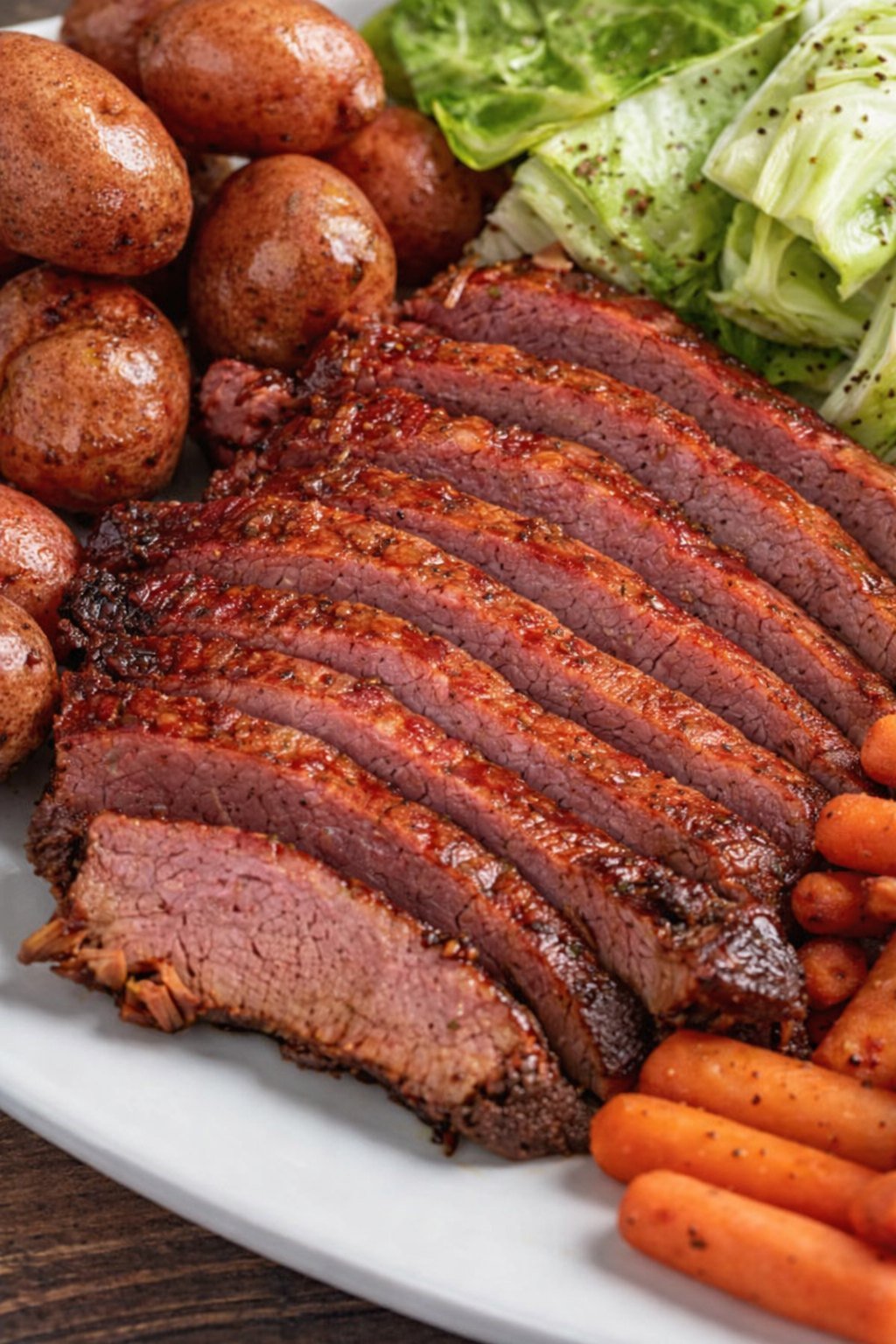

Mastering the Art of Homemade Corned Beef
By Jason Griffith
There is something profoundly satisfying about the patience required to make a truly great Corned Beef. While most of us are accustomed to grabbing a vacuum-sealed, pre-brined brisket from the grocery store, nothing compares to the depth of flavor you achieve when you brine it yourself at home. This isn’t just a meal; it’s a week-long culinary project that rewards you with the most tender, aromatic, and perfectly salted beef you’ve ever tasted.
Whether you are preparing for a massive St. Patrick’s Day feast or you just want the world’s best Reuben sandwich on a Tuesday, this guide will walk you through the transformation of a humble beef brisket into a masterpiece of curing and simmering.
Why I Love This Recipe
I am a huge fan of “low and slow” cooking. Just like my easy turkey wings, this recipe focuses on breaking down tough cuts of meat into something succulent.
The beauty of homemade corned beef is the control. You control the salt, the sugar, and the intensity of the spices. By brining the meat for five to seven days, the flavors penetrate deep into the muscle fibers, ensuring every single bite is seasoned to perfection. Plus, the leftovers make for incredible hashes or toppers for a classic spaghetti recipe if you’re feeling adventurous with your fusion cooking!
The Ingredients
For the Brine:
- 1 Gallon Water: Divided into 1 quart for heating and 3 quarts for cooling.
- 1 Cup Kosher Salt: This is the “corn” in corned beef (referring to the large salt crystals).
- ½ Cup Brown Sugar: To balance the saltiness and add a hint of caramel depth.
- 1 tbsp Pink Curing Salt #1 (Optional): This keeps the meat pink and prevents spoilage during the long brine.
- 5 Garlic Cloves: Smashed to release their oils.
- 2 tbsp Pickling Spice: A blend of peppercorns, mustard seeds, coriander, and allspice.
- 2 Bay Leaves: For that essential herbal aromatic base.
The Main Event:
- 4–5 lb Beef Brisket: Look for a “flat cut” for uniform slicing.
The “Boil” (Optional Vegetables):
- 1 lb Potatoes: Red or Yukon Gold work best.
- 1 lb Carrots: Large chunks to withstand the simmer.
- 1 Small Cabbage: Cut into sturdy wedges.
Swaps and Notes
- The Meat: If you can’t find brisket, a bottom round roast can work, though it won’t be quite as silky as the fat-marbled brisket.
- Curing Salt: If you omit the pink curing salt (sodium nitrite), your beef will turn a grayish-brown color when cooked (like a pot roast). It will still taste delicious, but it won’t have that classic “red” corned beef look.
- Pickling Spice: If you don’t have a pre-made mix, you can DIY one with black peppercorns, mustard seeds, crushed red pepper, and a few cloves.
Step-by-Step Instructions
Phase 1: The Brine (5–7 Days Before)
- Dissolve: In a large pot, combine 1 quart of water with the salt, brown sugar, and curing salt. Heat over medium heat, stirring until everything is completely dissolved.
- Infuse: Add the smashed garlic, pickling spices, and bay leaves.
- Cool: Add the remaining 3 quarts of cold water to the pot to bring the temperature down. Crucial: The brine must be completely cold before you add the meat.
- Submerge: Place your brisket in a large, non-reactive container (a glass dish or a heavy-duty gallon freezer bag works well). Pour the brine over the beef. If the meat floats, weigh it down with a heavy plate.
- Wait: Refrigerate for 5 to 7 days. Every day, give the meat a little flip to ensure even curing.
Phase 2: The Cook
- Rinse: Remove the beef from the brine and rinse it thoroughly under cold water to remove excess surface salt. For a less salty finish, soak the meat in fresh cold water for 30 minutes before cooking.
- Simmer: Place the brisket in a large pot and cover with fresh water by at least 2 inches. Do not boil vigorously! Bring it to a boil, then immediately reduce to a very low simmer.
- Tenderness: Cover and simmer for 3 to 4 hours. You are looking for an internal temperature of roughly 195°F or until a fork slides in and out with zero resistance.
- Vegetables: If you’re making a full meal, add your potatoes and carrots during the last 45 minutes of cooking. Add the cabbage wedges in the final 15 minutes.
Tips for Success
- Slicing is Everything: Always slice against the grain. Look at the long muscle fibers and cut perpendicular to them. If you cut with the grain, the meat will be stringy and chewy.
- Don’t Rush the Brine: Five days is the minimum. If you pull it out too early, the center of the brisket will just taste like plain roast beef.
- Temperature Control: If the water is boiling too hard, the meat will become tough and rubbery. Keep those bubbles small and gentle.
Serving Suggestions and Pairings
Corned beef is a salty, savory star that needs bright or creamy partners. I love serving this with a side of spicy mustard or horseradish cream.
If you’re hosting a party, this makes a great “heavy” main alongside lighter appetizers like my baked kosher salami. If you want a truly decadent spread, serve some beer cheese dip with rye bread slices on the side.
Nutritional Information (Per Serving)
- Calories: 380 kcal
- Protein: 28g
- Fat: 24g
- Carbohydrates: 4g (excluding vegetables)
- Sodium: 1200mg (varies based on rinsing)
Storage and Leftover Tips
- Fridge: Store leftovers in an airtight container for up to 4 days.
- Freezer: Corned beef freezes beautifully. Wrap it tightly in plastic wrap and then foil; it will stay good for 3 months.
- The Best Leftover Hack: Chop up the beef and toss it into a Dorito casserole for a wild, salty-crunchy fusion dinner that the kids will actually eat!
More Recipes You Will Love
Final Thoughts
Making your own corned beef is a rite of passage for any home cook. It takes time, but the flavor is incomparable to anything you can buy in a plastic bag. Give this a try and let me know how your brine turned out!
Did you try this recipe? Tag us on social media or leave a comment below with your favorite way to eat leftovers! Don’t forget to follow ChefManiac for more deep dives into classic comfort food.