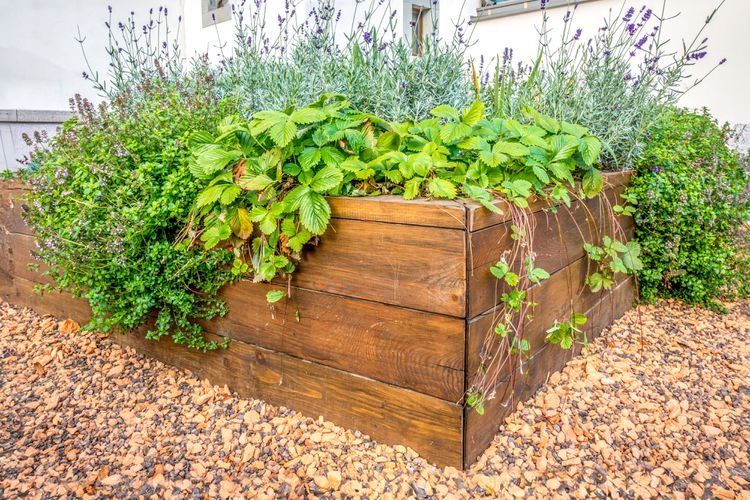

I love my raised garden beds. They’re easier on my back, perfect for controlling soil quality, and ideal for growing herbs, veggies, and flowers. But like any gardener knows, weeds still find a way in. I used to spend more time pulling weeds than planting seeds — until I found a few simple strategies that made all the difference.
Now, with a few proactive steps, I keep my beds mostly weed-free without ever reaching for chemical weed killers. If you’re looking for ways to manage weeds while keeping your soil and crops healthy, here’s how I do it.
Why Weeds Thrive in Raised Beds (And How to Stop Them)
Raised beds offer better control than in-ground beds, but they’re not immune to weed invasion. Seeds blow in on the wind, hitch a ride in compost, or sprout from nearby grass. If you don’t stay on top of it, weeds can steal moisture, nutrients, and sunlight from your plants.
That’s why I focus on prevention first — blocking weeds before they even get a chance to grow.
My Top Tips for Keeping Raised Beds Weed-Free
1. Start With a Weed Barrier at the Bottom
Before I fill a new raised bed, I lay down a natural weed barrier like cardboard or newspaper. These biodegradable layers block weeds from below while eventually breaking down into the soil.
I avoid landscape fabric because it can interfere with drainage and root growth over time. Natural materials work just as well and are better for soil health.
2. Use High-Quality, Weed-Free Soil
I fill my beds with a mix of compost, organic garden soil, and a bit of sand for drainage. I’m careful about where I source my compost — weed seeds can sneak in through poor-quality or unfinished compost. Buying from a reputable garden center or making my own is the safest bet.
3. Top With Mulch
After planting, I cover the soil surface with a 2–3 inch layer of mulch. My go-to options include:
- Straw (not hay, which often contains seeds)
- Shredded leaves
- Composted wood chips
Mulch keeps light from reaching weed seeds, making it harder for them to sprout. It also helps retain moisture and regulate soil temperature — double win.
4. Plant Close Together
One of the easiest ways I suppress weeds is by planting densely. When vegetables or flowers grow close together, their leaves naturally shade the soil, which discourages weeds from sprouting. I follow the spacing on seed packets but tend to err on the side of closer if the plant tolerates it.
5. Stay Consistent With Hand Weeding
Even with all these methods, a few weeds still manage to show up. I make it a habit to pull them early — when they’re small and easy to remove. If I let them get too big or go to seed, it just creates more work later.
I keep a small hand weeder in my garden apron and do a quick scan every time I water or harvest.
Bonus Tips That Help
- Edge your beds well: I keep grass trimmed around the outside of my beds to prevent seeds from blowing in or creeping up the sides.
- Avoid over-tilling: Disturbing the soil too much brings buried weed seeds to the surface where they can germinate. I stick to light raking when I need to amend or prep beds.
- Use cover crops in off seasons: In cooler months, I plant cover crops like clover or ryegrass to fill the bed and outcompete weeds. In spring, I cut them back and work them into the soil for added nutrients.
Tools I Keep on Hand
These are a few tools that make my weed-fighting efforts easier:
- A hand weeder or hori hori knife for precision pulling
- A hoe for light surface weeding between rows
- A garden rake for leveling mulch or smoothing soil
- Gloves with textured palms for better grip when pulling stubborn weeds
Why This Method Works for Me
Since I’ve started following this approach, my raised beds have become much easier to manage. I spend far less time weeding and more time actually enjoying my garden. My vegetables grow better, and I’m not constantly worried about competition from aggressive invaders.
The key is consistency — and a bit of prevention goes a long way. Once you set your beds up right, keeping them weed-free becomes much more manageable.
If you’re starting new beds or just looking to cut back on maintenance, I hope these tips help you get the clean, productive garden you’re dreaming of.