Moist and Nutty: Why This Coconut Pecan Cake is the Only Recipe You Need

Print it, save it, or add it to your recipe binder.
There is something undeniably nostalgic about the combination of toasted nuts and sweet coconut. In my kitchen, cake isn’t just a dessert; it’s a way to bring people together. While I love a good shortcut like these cake mix cookies, there is a special kind of magic that happens when you whisk together a scratch-made batter.
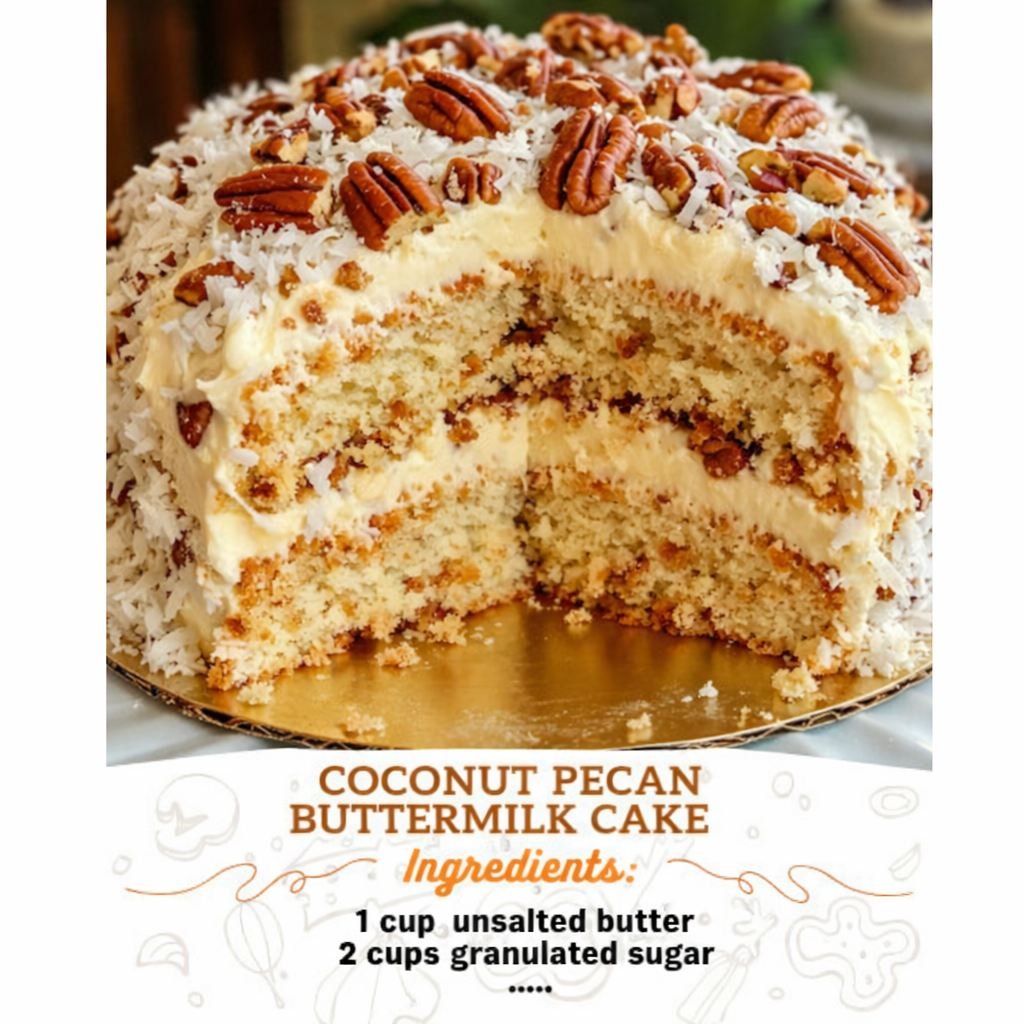
This Coconut Pecan Cake is a staple for family reunions, church potlucks, and Sunday dinners. It’s dense yet tender, thanks to the addition of buttermilk, and every bite is loaded with the crunch of pecans and the chewy sweetness of shredded coconut. If you’ve ever enjoyed this big family banana pudding, you know that Southern-style desserts are all about comfort, and this cake delivers exactly that.
Why I Love This Recipe
What sets this recipe apart is the texture. By folding the coconut and pecans directly into the batter, you get an even distribution of flavor in every slice. Unlike fancy layer cakes that require hours of frosting and leveling, this 9×13 sheet cake is humble, rustic, and incredibly moist.
It’s also surprisingly versatile. Much like how this unicorn poke cake is my go-to for kids’ parties, this Coconut Pecan Cake is my “grown-up” favorite—though, let’s be honest, the kids always come back for seconds!
Ingredients
- All-Purpose Flour: 2 cups (provides the structure).
- Granulated Sugar: 1½ cups for the perfect level of sweetness.
- Baking Powder & Baking Soda: 1 tsp each to ensure a beautiful rise.
- Salt: ½ tsp to balance the sugars.
- Unsalted Butter: ½ cup (1 stick), softened to room temperature.
- Buttermilk: 1 cup (the secret to a moist, tender crumb).
- Large Eggs: 3 eggs to bind the batter.
- Vanilla Extract: 1 tsp for that classic bakery aroma.
- Sweetened Shredded Coconut: 1 cup.
- Chopped Pecans: 1 cup (fresh is best!).
Swaps and Notes
- Buttermilk Substitute: If you don’t have buttermilk on hand, add 1 tablespoon of lemon juice or white vinegar to a cup of regular milk and let it sit for 5 minutes.
- Toasted Pecans: For a deeper flavor, toast your pecans in a dry skillet for 3-5 minutes before adding them to the batter.
- Coconut Variety: If you prefer a less sweet cake, you can use unsweetened shredded coconut, though I find the sweetened version helps with moisture. If you are a true coconut lover, you might also enjoy these easy coconut macaroons.
Step-by-Step Directions
1. Prepare Oven and Pan
Set your oven to 350°F (175°C). Grease and lightly flour a 9×13-inch baking dish. This ensures the cake releases easily and the edges get that perfect golden-brown finish.
2. Mix Dry Ingredients
In a large mixing bowl, whisk together the flour, sugar, baking powder, baking soda, and salt. Whisking the dry ingredients first prevents any “clumps” of leavening agents in the finished cake.
3. Combine Wet Ingredients
In a separate bowl, beat the softened butter until smooth. Add the buttermilk, eggs, and vanilla extract. Don’t worry if the mixture looks slightly curdled at this stage; the buttermilk and butter often separate a bit until the flour is added.
4. Form the Batter
Gently pour the wet mixture into the dry ingredients. Use a spatula or a hand mixer on low speed to stir just until combined. Pro Tip: Avoid overmixing! Overworking the flour develops gluten, which can make your cake tough instead of tender.
5. Add Coconut and Pecans
Fold the shredded coconut and chopped pecans into the batter using a spatula. Make sure they are distributed evenly so every slice is packed with texture.
6. Bake
Spread the batter into your prepared pan, smoothing the top with a spatula. Bake for 30–35 minutes. You’ll know it’s done when a toothpick inserted into the center comes out clean or with just a few moist crumbs.
7. Cool
Let the cake rest in the pan for about 10 minutes. This allows the structure to set. Transfer it to a wire rack to cool completely before slicing.
Tips for Success
- Room Temp is Key: Ensure your eggs and buttermilk are at room temperature. This helps the fats emulsify correctly, resulting in a smoother batter.
- Don’t Over-Bake: Start checking the cake at the 28-minute mark. Every oven is different, and you want to pull it out the moment it’s set to keep it moist.
- The “Bounce” Test: If you gently press the center of the cake and it springs back, it’s usually done.
Serving Suggestions and Pairings
This cake is delicious on its own, but you can elevate it with a few simple additions:
- Whipped Cream: A dollop of fresh whipped cream cuts through the richness.
- Cream Cheese Frosting: If you want a more decadent dessert, a thin layer of tangy cream cheese frosting is traditional for this style of cake.
- Coffee or Tea: This is the ultimate “coffee cake” for a mid-afternoon break.
- Fruit: Serve with fresh berries to add a bright, acidic contrast to the nutty flavor. If you have leftover fruit, you might want to try making this chocolate chip banana bread the next morning!
Nutritional Information (Per Serving)
Estimate based on 15 servings per cake.
- Calories: 310 kcal
- Total Fat: 16g
- Carbohydrates: 38g
- Protein: 4g
- Fiber: 2g
Storage and Leftover Tips
- Room Temperature: Store in an airtight container for up to 3 days.
- Refrigeration: This cake actually stays very moist in the fridge. Keep it covered for up to 5 days.
- Freezing: You can freeze individual slices wrapped in plastic wrap and foil for up to 3 months. Thaw at room temperature for an easy treat!
More Recipes You Will Love
Final Thoughts
This Coconut Pecan Cake is proof that you don’t need a pantry full of complicated ingredients to make something extraordinary. It’s a reliable, flavorful dessert that feels like home.
I’d love to hear from you! Did you add a frosting, or do you prefer it plain? Leave a comment below and let me know how it turned out. Don’t forget to follow ChefManiac for more tried-and-true recipes from my kitchen to yours!

Moist and Nutty: Why This Coconut Pecan Cake is the Only Recipe You Need
1½ cups for the perfect level of sweetness.
Prep: min | Cook: min | Total: min
Servings:
Ingredients
- All-Purpose Flour: 2 cups (provides the structure).
- Granulated Sugar: 1½ cups for the perfect level of sweetness.
- Baking Powder & Baking Soda: 1 tsp each to ensure a beautiful rise.
- Salt: ½ tsp to balance the sugars.
- Unsalted Butter: ½ cup (1 stick), softened to room temperature.
- Buttermilk: 1 cup (the secret to a moist, tender crumb).
- Large Eggs: 3 eggs to bind the batter.
- Vanilla Extract: 1 tsp for that classic bakery aroma.
- Sweetened Shredded Coconut: 1 cup.
- Chopped Pecans: 1 cup (fresh is best!).
Instructions
Nutrition
- Calories: 310 kcal
- Fat: 16g
- Carbs: 38g
- Protein: 4g
Rate This Recipe
Average Rating: 0 (0 votes)