Authentic Cassava Cake with Macapuno: The Ultimate Filipino Dessert Guide

Print it, save it, or add it to your recipe binder.
Authentic Cassava Cake with Macapuno: The Ultimate Tropical Comfort Food
By Jason Griffith
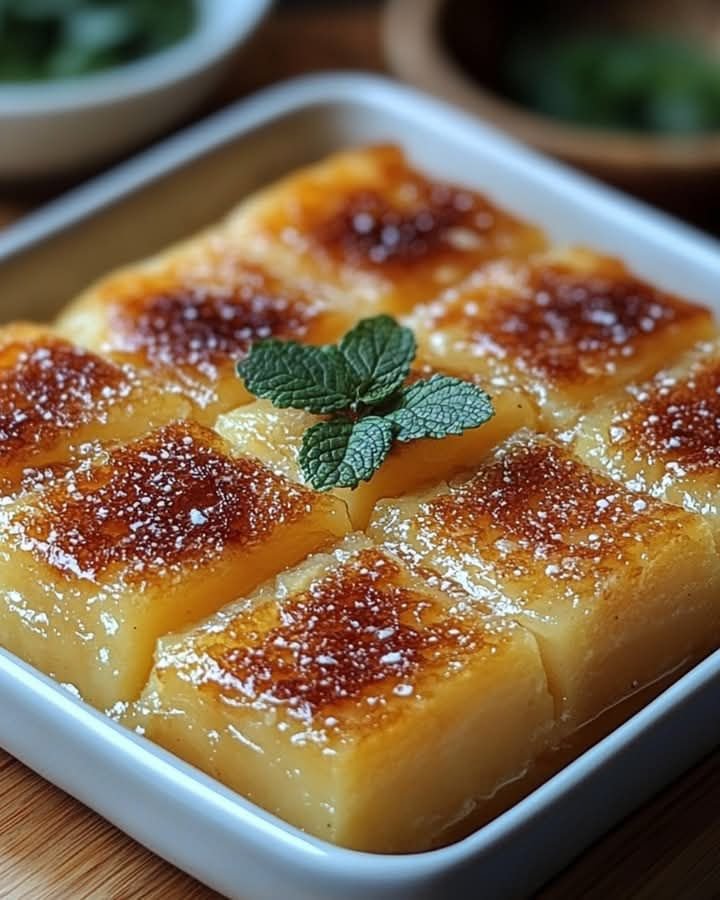
When it comes to desserts that hold a special place in the heart of tropical cuisine, few things rival the dense, custardy perfection of a traditional Cassava Cake with Macapuno. If you’ve never had the pleasure of trying this Filipino staple, you are in for a serious treat. It’s a unique harmony of earthy cassava root, rich coconut milk, and the sweet, gelatinous texture of macapuno (coconut sport).
As a food writer for ChefManiac, I’ve tasted my fair share of sweets—from this big family banana pudding to complex pastries—but there is something about the chewy, bouncy texture of cassava cake that keeps me coming back for seconds (and thirds).
Why I Love This Recipe
What makes this recipe a winner in my kitchen is its unbeatable texture. Unlike a standard flour-based cake, cassava cake is gluten-free by nature and has a satisfying “bite” that is incredibly comforting. The addition of macapuno strings adds a layer of luxury and sweetness that balances the savory notes of the optional cheese topping. It’s a one-pan wonder that looks impressive but requires very little technical skill. Plus, it’s a fantastic way to introduce international flavors to your next potluck!
Ingredients You’ll Need
To get that perfect, authentic consistency, you’ll need a mix of pantry staples and a few specific tropical ingredients:
- 2 cups grated cassava: You can find this fresh, but frozen (and thawed) grated cassava is a massive time-saver and works perfectly.
- 1 can (14 oz) coconut milk: For that signature creamy fat content.
- 1 can (12 oz) evaporated milk: Adds richness without over-sweetening.
- 1 cup condensed milk: This provides the sweetness and helps create the custard-like bind.
- 2 large eggs: These act as the structure for the cake.
- 1/2 cup sugar: To enhance the natural sweetness of the cassava.
- 1 tsp vanilla extract: For a warm aromatic finish.
- 1/2 cup macapuno (sweetened coconut sport): These are the preserved, soft coconut strips that take this cake to the next level.
- 1/4 cup grated cheese (optional): A traditional Filipino touch! A mild cheddar or Edam works beautifully for a sweet-and-salty contrast.
Swaps and Notes
- The Cassava: If you are using fresh cassava, ensure you grate it finely and squeeze out some of the excess moisture/starch before measuring.
- The Topping: While this recipe incorporates the macapuno into the batter, many people love to save half of the condensed milk and macapuno to create a thick “custard topping” during the last 15 minutes of baking.
- Dairy-Free: You can experiment with coconut-based condensed milk if you want to lean even harder into the tropical profile.
Step-by-Step Instructions
- Prep the Oven and Pan: Preheat your oven to 350°F (175°C). Take a 9×9-inch baking dish and grease it generously with butter or cooking spray.
- Mix the Base: In a large mixing bowl, combine your grated cassava, coconut milk, evaporated milk, and condensed milk. Whisk until the mixture is uniform.
- Incorporate Aromatics: Add in your eggs, sugar, and vanilla extract. Stir well to ensure the eggs are fully incorporated and the sugar has begun to dissolve.
- The Macapuno Magic: Fold in the macapuno strings. Try to distribute them evenly so every slice gets a bit of that coconut sport texture.
- Bake: Pour the batter into your prepared dish and smooth the top with a spatula. If you’re using the optional cheese, sprinkle it over the top now.
- The Golden Finish: Place in the center rack of the oven and bake for 45–50 minutes. You are looking for a golden-brown top and a center that is set (it shouldn’t jiggle like liquid, but it will still be soft).
- Cooling: This is the hardest part! Let the cake cool completely before slicing. This allows the starches to set, giving you those clean, beautiful squares.
Tips for Success
- Don’t Overbake: Cassava can become rubbery if left in the oven too long. As soon as the edges are browned and the center is firm to the touch, pull it out.
- Texture Check: If you want a smoother cake, you can give the grated cassava a quick pulse in the food processor before mixing.
- The Cheese Factor: Don’t skip the cheese! The saltiness of a mild cheddar elevates the coconut flavors in a way that is surprisingly addictive. It’s the same logic behind why the viral cottage cheese pancake works so well—dairy and starch are best friends.
Serving Suggestions and Pairings
Cassava cake is quite rich, so I love serving it with something bright. A cold glass of this refreshing blueberry lemonadeprovides a sharp citrus contrast to the creamy cake.
If you’re hosting a full dinner, this cake is the perfect finale to a heavy meal like this Mexican chicken and rice casserole.
Nutritional Information (Per Serving)
- Calories: 310 kcal
- Total Fat: 12g
- Carbohydrates: 48g
- Protein: 5g
- Sugar: 28g
Storage and Leftover Tips
- Refrigeration: Store any leftovers in an airtight container in the fridge for up to 5 days.
- Reheating: Cassava cake is delicious cold, but if you prefer it warm, a quick 20-second zap in the microwave will bring back that soft, melt-in-your-mouth texture.
- Freezing: You can freeze slices wrapped tightly in plastic wrap for up to a month. Thaw in the fridge overnight before eating.
More Recipes You Will Love
If you enjoyed the tropical, coconut-forward flavors of this cake, you have to try these other favorites from the blog:
- These Easy Coconut Macaroons – Perfect for when you have leftover coconut!
- The Viral Cottage Cheese Pancake – For another unique, protein-packed texture.
- Big Family Banana Pudding – A classic crowd-pleaser for your next gathering.
Final Thoughts
Cassava Cake with Macapuno is more than just a dessert; it’s a slice of comfort that brings a bit of the islands to your kitchen. I’d love to hear how yours turned out! Did you go with the cheese topping or keep it strictly sweet?
Leave a comment below and let me know your thoughts! Don’t forget to follow ChefManiac on social media for more daily recipe inspiration.

Authentic Cassava Cake with Macapuno: The Ultimate Filipino Dessert Guide
Authentic Cassava Cake with Macapuno: The Ultimate Tropical Comfort Food
Prep: min | Cook: min | Total: min
Servings:
Ingredients
Instructions
- Prep the : Oven and Pan: Preheat your oven to 350°F (175°C). Take a 9x9-inch baking dish and grease it generously with butter or cooking spray.
- Mix the : Base: In a large mixing bowl, combine your grated cassava, coconut milk, evaporated milk, and condensed milk. Whisk until the mixture is uniform.
- Incorporate : Aromatics: Add in your eggs, sugar, and vanilla extract. Stir well to ensure the eggs are fully incorporated and the sugar has begun to dissolve.
- The : Macapuno Magic: Fold in the macapuno strings. Try to distribute them evenly so every slice gets a bit of that coconut sport texture.
- Bake: Pour the batter into your prepared dish and smooth the top with a spatula. If you’re using the optional cheese, sprinkle it over the top now.
- The : Golden Finish: Place in the center rack of the oven and bake for 45–50 minutes. You are looking for a golden-brown top and a center that is set (it shouldn't jiggle like liquid, but it will still be soft).
- Cooling: This is the hardest part! Let the cake cool completely before slicing. This allows the starches to set, giving you those clean, beautiful squares.
- Tips for Success: Don't Overbake: Cassava can become rubbery if left in the oven too long. As soon as the edges are browned and the center is firm to the touch, pull it out.
- Texture : Check: If you want a smoother cake, you can give the grated cassava a quick pulse in the food processor before mixing.
- The : Cheese Factor: Don't skip the cheese! The saltiness of a mild cheddar elevates the coconut flavors in a way that is surprisingly addictive. It’s the same logic behind why the viral cottage cheese pancake works so well—dairy and starch are best friends.
- Serving Suggestions and Pairings: Cassava cake is quite rich, so I love serving it with something bright. A cold glass of this refreshing blueberry lemonadeprovides a sharp citrus contrast to the creamy cake.
- If you're hosting a full dinner, this cake is the perfect finale to a heavy meal like this Mexican chicken and rice casserole.
- Nutritional Information (Per Serving): Calories: 310 kcal
- Total : Fat: 12g
- Carbohydrates: 48g
- Protein: 5g
- Sugar: 28g
- Storage and Leftover Tips: Refrigeration: Store any leftovers in an airtight container in the fridge for up to 5 days.
- Reheating: Cassava cake is delicious cold, but if you prefer it warm, a quick 20-second zap in the microwave will bring back that soft, melt-in-your-mouth texture.
- Freezing: You can freeze slices wrapped tightly in plastic wrap for up to a month. Thaw in the fridge overnight before eating.
- More Recipes You Will Love: If you enjoyed the tropical, coconut-forward flavors of this cake, you have to try these other favorites from the blog:
- These : Easy Coconut Macaroons – Perfect for when you have leftover coconut!
- The : Viral Cottage Cheese Pancake – For another unique, protein-packed texture.
- Big : Family Banana Pudding – A classic crowd-pleaser for your next gathering.
- Final Thoughts: Cassava Cake with Macapuno is more than just a dessert; it’s a slice of comfort that brings a bit of the islands to your kitchen. I’d love to hear how yours turned out! Did you go with the cheese topping or keep it strictly sweet?
- Leave a comment below and let me know your thoughts! Don't forget to follow ChefManiac on social media for more daily recipe inspiration.
Nutrition
- Calories: 310 kcal
- Fat: 12g
- Carbs: 48g
- Protein: 5g
Rate This Recipe
Average Rating: 0 (0 votes)