The Ultimate Moka à la Crème au Café: A Classic French Coffee Cake

Print it, save it, or add it to your recipe binder.
The Ultimate Moka à la Crème au Café: A Classic French Coffee Cake
By Jason Griffith
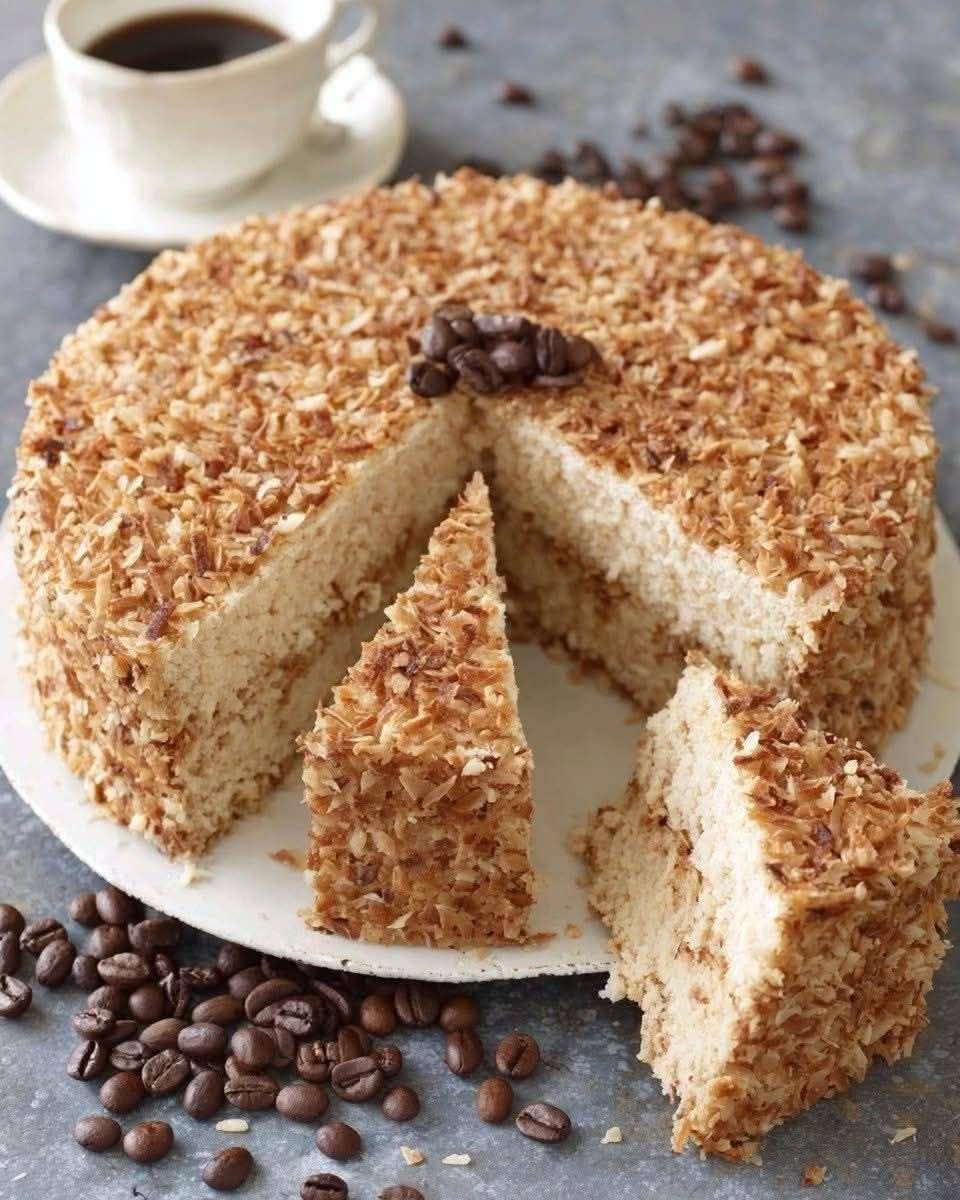
When it comes to the pantheon of French pastry, few cakes carry the same weight of tradition and elegance as the Moka à la Crème au Café. This isn’t just a coffee cake; it is a sophisticated architectural feat of light-as-air sponge, decadent silken buttercream, and the bold, aromatic punch of high-quality coffee.
As a professional food writer, I have seen many trends come and go, but the Moka cake remains a constant favorite for dinner parties and holiday celebrations. It represents a time when dessert was an event—a slow, savoring experience that combined texture and temperature perfectly. Today, I’m walking you through how to achieve this bakery-standard classic right in your own kitchen.
Why I Love This Recipe
What makes the Moka cake so special is the contrast. You have the biscuit (the sponge), which is purposely light and airy so that it can soak up the coffee syrup without becoming heavy. Then, you have the crème au beurre, a traditional French buttercream that is rich, smooth, and deeply infused with coffee.
Unlike modern “quick” cakes, this recipe rewards patience. It feels like a project, but the result—a cake that looks like it belongs in a Parisian pâtisserie window—is incredibly satisfying. If you enjoy the delicate balance of flavors in my Easy Coconut Macaroons, you will absolutely fall in love with the refined profile of this Moka cake.
Ingredients You’ll Need
For the Biscuit (Sponge):
- 6 Large Eggs: Separated into yolks and whites.
- 150g Granulated Sugar: Plus a little extra for the pan.
- 50g All-Purpose Flour: Sifted for maximum lightness.
- 50g Potato Starch: This is the secret to the delicate, melt-in-your-mouth texture.
- 20g Salted Butter: Melted and cooled (for the batter and the mold).
For the Coffee Buttercream:
- 250g Unsalted Butter: Must be softened to room temperature.
- 2 Large Eggs: To create the custard base.
- 200g Granulated Sugar.
- 4 tbsp Coffee Extract: Adjust based on how strong you like your coffee flavor.
- 75g Sliced Amandes (Almonds): Toasted for the exterior crunch.
For the Coffee Syrup:
- 10cl Water.
- 50g Sugar.
- 1 tbsp Coffee Extract.
Swaps and Notes
- Starch: If you cannot find potato starch, cornstarch is a suitable 1:1 replacement.
- Coffee Extract: For the best flavor, use a high-quality liquid coffee concentrate. If you only have instant coffee, dissolve 2 tablespoons of granules in 1 tablespoon of hot water to create a thick paste.
- Butter: Use the best quality European-style butter you can find for the buttercream; since it’s the star of the show, the flavor matters!
Step-by-Step Instructions
1. Prepare the Sponge (The Biscuit)
Preheat your oven to 150°C (300°F). Begin by separating your eggs. In a clean bowl, whisk the egg whites with a pinch of salt until they form firm, stiff peaks.
In a separate large bowl, whisk the egg yolks with 150g of sugar until the mixture is pale and “ribbons” when you lift the whisk. Gently fold in the sifted flour and potato starch. Add two tablespoons of the whipped whites to loosen the batter, then very carefully fold in the remaining whites using a spatula to keep the air intact.
Butter a round cake pan, dust it with sugar, and pour in the batter. Bake for approximately 1 hour. Once finished, let it cool completely on a wire rack before slicing.
2. Craft the Buttercream
This is a classic French method. Combine 150g of sugar with the 2 eggs in a heat-proof bowl over a pot of simmering water (bain-marie). Whisk constantly until the sugar dissolves and the mixture thickens slightly. Remove from heat and let it cool until just lukewarm.
Once cooled, begin whisking in the softened butter piece by piece. The mixture will become thick, pale, and creamy. Stir in half of the coffee extract. Chill in the refrigerator for about 15–20 minutes to firm up slightly.
3. The Toasted Almonds and Syrup
While the cake cools, toast your sliced almonds in a dry pan over medium heat until golden brown. For the syrup, simmer the water, remaining sugar, and coffee extract until the sugar is dissolved. Let it cool.
4. Assembly
Slice your cooled cake horizontally into two even discs. Using a pastry brush, generously soak both discs with the coffee syrup.
Spread half of the buttercream onto the bottom layer. Place the second layer on top. Use the remaining buttercream to cover the top and the sides of the cake. Finally, press the toasted almonds onto the sides of the cake for that classic Moka look.
Tips for Success
- Temperature is Key: When making the buttercream, ensure the egg/sugar base is not too hot when adding the butter, or it will melt. If it looks curdled, just keep whisking!
- Don’t Over-mix: When folding the egg whites into the flour, be as gentle as possible to maintain the “biscuit” height.
- The Soak: Don’t be afraid to use all the syrup. A dry Moka cake is a sad Moka cake!
Serving Suggestions and Pairings
This cake is quite rich, so it pairs beautifully with a simple cup of espresso or a glass of cold milk. For a full dessert spread, I love serving this alongside smaller bites like my Chocolate Chip Cookie Bites or even a slice of Chocolate Chip Banana Bread for those who prefer fruit-based sweets.
Nutritional Information (Per Serving)
- Calories: 480 kcal
- Fat: 32g
- Carbohydrates: 44g
- Protein: 6g
- Sugar: 35g
Storage and Leftover Tips
The Moka à la Crème au Café stores wonderfully because the buttercream acts as an insulator. Keep it in an airtight container in the refrigerator for up to 3 days. However, always serve it at room temperature. Take it out of the fridge at least 30 minutes before serving so the buttercream can soften to its intended silken texture.
More Recipes You Will Love
If you enjoyed this classic bake, you might also like these other favorites from the kitchen:
- Big Family Banana Pudding – Another classic that feeds a crowd!
- Copycat Neiman Marcus Chocolate Chip Cookies – For when you need a secret weapon dessert.
Final Thoughts
The Moka cake is a testament to the beauty of traditional baking. It’s a recipe that asks you to slow down and enjoy the process of creating something truly handmade. I would love to hear how yours turned out! Did you find the potato starch made a difference in the texture?
Please leave a comment below and follow ChefManiac for more professional tips and classic recipes!

The Ultimate Moka à la Crème au Café: A Classic French Coffee Cake
When it comes to the pantheon of French pastry, few cakes carry the same weight of tradition and elegance as the
Prep: min | Cook: min | Total: min
Servings:
Ingredients
Instructions
Nutrition
- Calories: 480 kcal
- Fat: 32g
- Carbs: 44g
- Protein: 6g
Rate This Recipe
Average Rating: 0 (0 votes)